Introduction
Fungal nail infections, medically known as onychomycosis, affect millions of adults worldwide—and the problem is more common than most people realize. If you've noticed your nails becoming thick, discolored, or brittle, you may be dealing with this stubborn condition. One of the most frustrating aspects of fungal nail infections is their tendency to persist and worsen over time, especially when people don't understand how fungal nail infections spread in the first place. Understanding the mechanics of transmission—whether through contaminated surfaces, nail-to-nail contact, or shared personal items—is the first step toward protecting yourself and preventing recurrence. This article explores the science behind fungal nail infections, why they're so contagious, and practical steps you can take to stop them before they take hold.
Understanding Fungal Nail Infections: Causes and Background
Fungal nail infections develop when microscopic fungi invade the nail bed or nail plate, thriving in the warm, moist environment that toenails and fingernails can provide. The most common culprits are dermatophytes, yeasts, and non-dermatophyte molds—organisms that feed on keratin, the tough protein that makes up your nails. A 2019 study published in the Journal of Fungi noted that dermatophytes account for approximately 90% of all fungal nail infections, with Trichophyton rubrum being the most frequently isolated species.
Several factors increase your vulnerability to these infections. Age is a significant risk factor; adults over 60 are substantially more likely to develop onychomycosis than younger populations. This increased susceptibility is partly due to slower nail growth, reduced blood circulation to the extremities, and a weakened immune response. Diabetes, HIV infection, and other conditions that compromise immune function create ideal environments for fungi to establish themselves. Additionally, a prior history of athlete's foot (tinea pedis) significantly raises your risk, since the same fungi responsible for foot infections can migrate to the nails.
Trauma to the nail—whether from tight shoes, pedicures, or accidental injury—creates tiny entry points where fungi can penetrate. Poor circulation, particularly in the toes, makes it harder for your immune system to detect and fight off fungal invaders. Environmental exposure also plays a role: spending time in damp public areas like swimming pools, communal showers, and locker rooms increases your chances of encountering fungal spores. Understanding these root causes helps explain why how fungal nail infections spread is as much about personal risk factors as it is about exposure to the organisms themselves.
Signs and Symptoms: Recognizing a Fungal Nail Infection
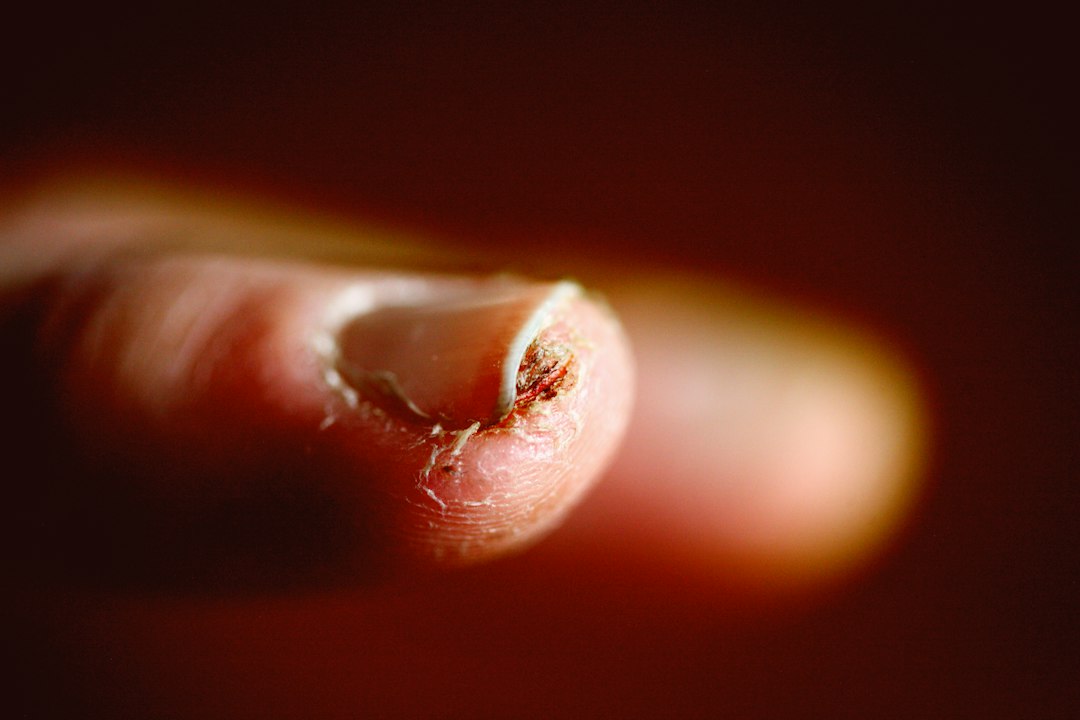
Fungal nail infections rarely announce themselves dramatically. Instead, they develop gradually, often going unnoticed for weeks or months before symptoms become obvious. The earliest signs typically include discoloration—the nail may develop white, yellow, or brown patches. As the infection progresses, the discoloration often spreads across the entire nail surface, creating a mottled or streaked appearance. Some people describe their infected nails as having a dull, chalky finish rather than the normal sheen of healthy nails.
Thickening is another hallmark symptom. Infected nails become noticeably thicker than healthy nails, and they may develop a crumbly, powdery texture that can be seen under the edge of the nail or along the sides. This brittleness makes the nail prone to breaking and crumbling, especially at the edges. You might notice debris collecting under the nail—this is actually dead nail material mixed with fungal matter and skin cells. Some people experience mild discomfort or a slight odor from the infected nail, though pain is not typically a primary feature unless the infection becomes severe or the nail begins to separate from the nail bed.
In advanced cases, the nail may begin to detach from the underlying nail bed, a condition called onycholysis. This creates a gap where debris accumulates and the infection can deepen. It's important to note that not all nail discoloration or thickening indicates a fungal infection—psoriasis, lichen planus, and other skin conditions can mimic fungal infections. This is why professional diagnosis through microscopy, fungal culture, or dermoscopy is important if you suspect an infection. The longer an infection goes untreated, the more difficult it becomes to resolve, making early recognition crucial.
The Impact of Fungal Nail Infections on Daily Life
While fungal nail infections might seem like a purely cosmetic issue, they can significantly affect quality of life for many adults. The visible disfigurement often causes embarrassment or self-consciousness, leading people to avoid activities like swimming, going barefoot at home, or wearing open-toed shoes. This social stigma can be surprisingly burdensome, particularly during warmer months when summer clothing is standard.
Beyond aesthetics, fungal nail infections can become physically problematic. Thickened nails become difficult to trim, requiring special tools and considerable effort to manage. The crumbly texture means infected nail material can flake off unexpectedly, and in some cases, the infection spreads to other nails if proper hygiene measures aren't followed. There's also the practical concern about how fungal nail infections spread to other family members sharing bathrooms, showers, or nail care tools.
For people with diabetes or circulation problems, even minor nail infections deserve attention. These conditions make it harder for your body to fight off infections, and damaged nails can increase the risk of secondary bacterial infections. The psychological burden shouldn't be underestimated either—chronic fungal infections can contribute to anxiety about hygiene and self-image, particularly in social or intimate situations. This combination of physical, practical, and emotional factors makes addressing fungal infections promptly a worthwhile health priority.
How Fungal Nail Infections Spread: The Transmission Pathways
Understanding how fungal nail infections spread is essential for preventing them from establishing a foothold in the first place. Fungal spores are incredibly resilient; they can survive on surfaces for extended periods, making environmental transmission one of the primary pathways. Walking barefoot in damp public areas—particularly swimming pools, communal showers, locker rooms, and public changing facilities—exposes your feet directly to environments where fungal spores concentrate. The warm, moist conditions in these spaces are ideal for fungal survival and transmission.
Direct skin-to-skin contact can also transfer fungi, though nail-to-nail transmission is relatively uncommon compared to foot-to-surface or surface-to-foot routes. However, nail salons present a particular risk if instruments aren't properly sterilized between clients. Contaminated nail files, clippers, and other tools can harbor fungal spores and introduce them directly into the nail bed, especially if there are tiny cuts or abrasions from the manicure process itself.
Shared personal items pose another significant transmission risk. Fungal spores can survive on nail clippers, files, towels, shower shoes, and bed linens. Family members sharing these items face elevated risk of infection, particularly if one person in the household already has onychomycosis. This is why people with fungal nail infections should maintain separate nail care tools and avoid sharing towels or bathmats. Additionally, infected skin cells and nail debris can fall onto floors and contaminate surfaces, creating a reservoir for fungal transmission. How fungal nail infections spread within a household often depends on these small but critical hygiene practices that many people overlook.
Natural Approaches and Lifestyle Modifications
While professional medical treatment is sometimes necessary for severe fungal infections, several natural approaches and lifestyle modifications can support your body's ability to resist and overcome mild to moderate infections. The foundation of any fungal prevention strategy starts with meticulous foot hygiene and moisture control. Fungi thrive in damp environments, so keeping your feet clean and completely dry—especially between the toes and under the nails—is critically important. After bathing or any water exposure, use a clean towel to dry your feet thoroughly, and consider using a separate towel for your feet to avoid cross-contamination with other family members.
Footwear choices matter significantly. Tight shoes create warm, moist environments where fungi flourish, so opt for breathable shoes made from natural materials whenever possible. Moisture-wicking socks help keep feet dry throughout the day. If you have a fungal infection, rotating shoes and allowing them to dry completely between wears helps prevent reinfection. Never share personal items like nail clippers, files, towels, or shoes with others, as these are common transmission vectors.
Your immune system plays a crucial role in fighting fungal infections, so supporting overall wellness is foundational. Regular exercise improves circulation, which helps your body deliver immune cells to affected areas. Adequate sleep and stress management both strengthen immune function. Additionally, maintaining good blood sugar control is important if you have diabetes, as high blood sugar impairs immune response and increases fungal infection risk. Some people find that keeping nails trimmed short and filed smooth—rather than sharp—reduces the likelihood of nail trauma that creates entry points for fungi. If you frequent public pools or shared shower facilities, wearing shower shoes provides a barrier between your feet and contaminated surfaces.
The Role of Nutrition and Diet in Fungal Resistance
What you eat plays a meaningful role in your body's ability to resist and recover from fungal infections. Your immune system depends on specific nutrients to function optimally, and deficiencies in key vitamins and minerals can compromise your ability to fight off fungal pathogens. Zinc is particularly important for immune cell function and wound healing; studies have shown that people with inadequate zinc levels are more susceptible to fungal infections. Vitamin D, which functions as both a nutrient and a immune-regulating hormone, influences your body's antifungal response. Research published in the Journal of Immunology Research found that vitamin D deficiency is associated with increased susceptibility to various fungal infections.
B vitamins—particularly biotin, B12, and folate—are essential for nail health and immune function. Biotin, in particular, is involved in keratin synthesis and has been studied for its potential role in supporting strong, healthy nails. Some research suggests that adequate biotin intake may help improve nail quality and resilience. Selenium, another trace mineral, is a component of antifungal enzymes and plays a role in reducing inflammation associated with infections.
Beyond specific micronutrients, dietary patterns matter. A diet high in refined sugars and processed foods can impair immune function and create an internal environment where fungi thrive. Conversely, a diet rich in whole foods—including plenty of vegetables, lean proteins, healthy fats, and fiber—supports stable blood sugar and robust immunity. Probiotic-rich foods like yogurt, kefir, and fermented vegetables help maintain healthy gut bacteria, which play an important role in regulating immune response. This is why many adults turn to targeted nutritional support formulas—one such option combines the B-vitamins and minerals most linked to nail health and immune function in one convenient daily supplement. Staying hydrated and limiting alcohol consumption also supports overall immune function and circulation. By viewing nutrition as part of your defense strategy against fungal infections, you create multiple layers of protection for your nails and skin.
Frequently Asked Questions
Can fungal nail infections spread to other parts of my body? Yes, though it's relatively uncommon. Fungal spores from an infected nail can theoretically spread to other skin areas if you scratch or create small breaks in the skin. More commonly, people develop athlete's foot or other skin fungal infections from the same contaminated environments where they encountered the nail fungus. Practicing good hygiene and avoiding direct contact between infected and healthy skin minimizes this risk.
How long does it take for a fungal nail infection to develop after exposure? The timeline varies considerably. Some people develop visible symptoms within a few weeks of exposure, while others may not show signs for several months. This depends on the fungal species, the extent of exposure, your immune function, and other individual factors. This delay is why people often can't pinpoint exactly when or where they contracted the infection.
Is it safe to get a pedicure if I have a fungal nail infection? It's best to avoid professional nail services until your infection has resolved, as you risk spreading the infection to salon equipment and potentially to other clients. Additionally, the manicure process could worsen your infection. If you choose to get a pedicure, inform the technician beforehand and ensure they use properly sterilized tools, though delaying treatment until the infection clears is the safer approach.
Taking Action Against Fungal Nail Infections
Fungal nail infections can be frustrating and persistent, especially when basic prevention strategies aren't enough. If you're looking to support your body's natural defenses against these infections, exploring comprehensive nutritional support may be helpful. Learn more about TerraCalm and see if its formula of key immune-supporting and nail-health nutrients might fit your wellness routine.