Introduction
Toenail fungus is one of those health issues that often sneaks up on you. You might notice a slight discoloration or thickening of the nail and think nothing of it—but those early signs of toenail fungus infection deserve your attention. Catching the condition in its earliest stages can make a significant difference in how easily it responds to treatment and how quickly you can resolve it.
For adults over 40, toenail fungus becomes increasingly common. Your immune system may not be as vigorous as it once was, circulation to your extremities can slow, and decades of exposure to warm, moist environments create the perfect conditions for fungal growth. The good news is that recognizing the warning signs early—before the infection becomes deeply embedded in the nail bed—gives you the best chance at successful management. This article walks you through what to look for and why early detection matters.
Understanding Toenail Fungus: Causes and Background
Toenail fungus, medically known as onychomycosis, is an infection caused by microscopic fungi that invade the nail structure. Unlike bacteria, fungi thrive in warm, dark, and moist environments—which makes your feet, especially inside shoes and socks, an ideal breeding ground. The fungi that cause these infections are dermatophytes, yeasts, or non-dermatophyte molds, each with slightly different characteristics and growth patterns.
Several factors increase your risk of developing this condition. Age is one of the most significant: a 2019 study published in the Journal of Fungi noted that onychomycosis prevalence increases substantially after age 60, though it certainly affects younger adults too. Reduced circulation to the feet means your immune system has a harder time fighting off the invading organisms. Compromised immunity from conditions like diabetes or HIV also elevates risk considerably.
Environmental exposure plays a major role as well. Walking barefoot in public pools, gym showers, or locker rooms exposes your feet to fungi that other infected individuals have shed. Minor cuts or injuries to the nail or surrounding skin can provide entry points for the fungus. Nail trauma from poorly fitting shoes, repetitive stress, or stubbing your toe can weaken the nail's defenses. Additionally, certain lifestyle habits—like wearing the same shoes day after day without letting them dry completely, or keeping toenails long—create conditions that fungi love. Understanding these causes helps you recognize why you might be at higher risk and why early intervention matters so much.
Early Signs of Toenail Fungus Infection: What to Look For
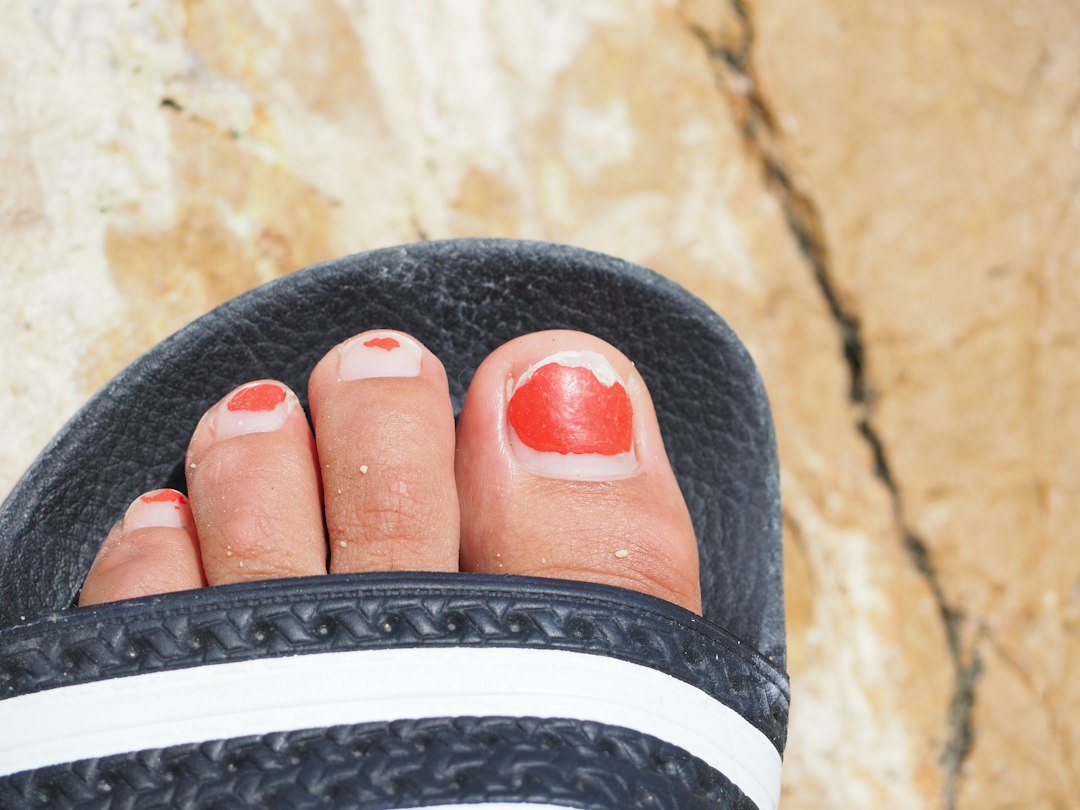
The early signs of toenail fungus infection are often subtle enough that many people miss them entirely. The first thing you might notice is a slight discoloration—typically a white, yellow, or brown spot that appears on the edge or tip of the nail. This discoloration is actually the fungus beginning to colonize the keratin (the protein that makes up your nails). At this stage, the infection is still mostly superficial and confined to the outer layers of the nail.
As the infection progresses, the nail may develop a cloudy or opaque appearance rather than its normal clear, smooth look. Some people describe it as looking "dusty" or "chalky." You might also notice that the affected area feels slightly thickened or brittle when you try to trim it, and nail clippings may appear crumbly or powdery. The nail might also begin to separate slightly from the nail bed underneath—a process called onycholysis—which can make the nail appear to be lifting away from the skin.
Another early warning sign is a foul or unpleasant odor coming from the affected nail. This occurs because the fungus produces byproducts that have a distinctly musty or pungent smell. You might notice this particularly if the nail is covered by a shoe or sock for extended periods. Itching or slight discomfort around the affected nail is also common in early stages. Some people report a very mild burning sensation. The key point: catching these early signs of toenail fungus infection before they progress to severe thickening, extensive discoloration, or crumbling makes treatment far more straightforward and successful.
How Toenail Fungus Affects Daily Life
While toenail fungus might seem like a minor cosmetic issue at first, it can genuinely impact your quality of life—especially if left untreated. Beyond the obvious aesthetic concern of discolored or thickened nails, many adults report feeling self-conscious about wearing sandals, going to the beach, or being barefoot around others. This social discomfort can lead people to restrict their activities or avoid situations they'd otherwise enjoy.
As the infection worsens, the thickened nail can become painful, especially when wearing tight shoes or when pressure is applied to the toe. Walking, running, or any activity that puts weight on the foot can become uncomfortable. Some individuals develop nail deformities so severe that trimming the nail becomes genuinely difficult or even impossible without professional help. The nail can crumble apart when you try to cut it, making self-care frustrating.
There's also the psychological toll. Chronic conditions affecting appearance—even something as "small" as a toenail—can contribute to feelings of embarrassment or reduced confidence. For older adults, difficulty managing nail care independently can affect their sense of autonomy. Additionally, if the infection spreads to multiple nails or to the surrounding skin, it becomes more difficult to manage and takes longer to resolve. This is precisely why recognizing and addressing the early signs of toenail fungus infection matters: you prevent the condition from interfering with your daily life, your self-image, and your long-term foot health.
Natural Approaches and Lifestyle Modifications
While medical treatments exist for toenail fungus, many adults prefer to start with lifestyle modifications and natural approaches, especially when catching the infection in its early stages. The foundation of any fungal management strategy is creating an environment where fungi cannot thrive—which means keeping your feet dry, clean, and well-ventilated.
Start by examining your footwear. Tight shoes that press on your toes and trap moisture create ideal conditions for fungal growth. Switch to well-fitting shoes made of breathable materials, and rotate between different pairs to allow each to dry completely between wearings. If your feet tend to sweat heavily, consider moisture-wicking socks made from synthetic blends or merino wool rather than cotton, which holds moisture against your skin. Keep your toenails trimmed short and straight across—this makes it harder for fungi to find a foothold and easier for antifungal treatments (if needed) to reach the infection.
Hygiene practices are equally important. Wash your feet daily with soap and water, and dry them thoroughly, paying special attention to the spaces between your toes. If you frequent public pools, gyms, or communal showers, wear shower shoes or flip-flops to minimize direct contact with potentially contaminated surfaces. Avoid sharing nail clippers, files, or other foot care tools with others. If you have a pedicure at a salon, ensure they use properly sterilized instruments—or consider doing your own foot care at home to eliminate this risk entirely.
Temperature and humidity control in your home also matters. If you notice fungal growth on other surfaces in your bathroom or bedroom, address the underlying moisture problem. Use a dehumidifier if your home tends to be damp, and ensure bathrooms have adequate ventilation. Keeping your feet slightly cooler and drier throughout the day—by choosing open-toed shoes when possible and changing out of damp socks immediately—sends a message to any developing fungal infection that your feet are no longer a welcoming environment.
The Role of Nutrition and Diet in Nail and Foot Health
Your body's ability to fight off fungal infections and maintain healthy nails depends significantly on adequate nutrition. The nails themselves are made primarily of keratin, a tough protein that requires specific amino acids, B vitamins, and minerals to build and maintain. When your diet lacks these essential nutrients, your nails become weaker and more susceptible to infection.
Biotin, a B vitamin, has received considerable research attention for its role in nail health. A 2015 study in the journal Skin Appendage Disorders found that biotin supplementation improved nail thickness and reduced brittleness in participants with fragile nails. While this doesn't directly prevent fungal infection, stronger, healthier nails are inherently more resistant to invasion. Similarly, zinc plays a crucial role in immune function and wound healing. Low zinc levels are associated with increased susceptibility to various infections, including fungal ones.
Selenium and vitamin E work together as powerful antioxidants, protecting your cells from oxidative stress and supporting immune function. Iron deficiency can impair immunity and slow wound healing, making your body less equipped to fight off infections. B vitamins—especially B12, folate, and niacin—are essential for energy production and maintaining healthy skin and nail tissue. This is why many adults turn to targeted nutritional support—one such option is TerraCalm, which combines these key nutrients in one supplement designed to support overall foot and nail health.
In terms of diet, focus on whole foods that provide these nutrients naturally. Eggs, almonds, and salmon are excellent sources of biotin and selenium. Oysters, beef, and pumpkin seeds provide zinc. Leafy greens offer folate and other B vitamins. Citrus fruits and berries provide vitamin C, which supports collagen synthesis and immune function. Building a diet rich in these nutrients not only supports nail health but also strengthens your overall immune response, giving your body better tools to combat fungal infections before they establish themselves.
Frequently Asked Questions
Q: How quickly does toenail fungus spread?
A: Speed varies considerably depending on the type of fungus, your immune function, and environmental conditions. Some infections progress slowly over months, while others spread to additional nails within weeks. Early intervention slows or stops progression, making early detection valuable. Fungal infections typically spread outward from the initial infection site toward the nail tip and may eventually affect the entire nail if untreated.
Q: Can toenail fungus go away on its own?
A: It's rare for established fungal infections to resolve without intervention, though the body's immune system can sometimes slow progression. Most cases require active treatment through lifestyle changes, topical applications, or medical intervention. The longer you wait, the more entrenched the infection becomes and the more challenging treatment becomes.
Q: Are certain people more at risk than others?
A: Yes. Age over 60, diabetes, compromised immunity, poor circulation, and a family history of fungal infections all increase risk significantly. Men are diagnosed more frequently than women, possibly due to greater exposure through sports facilities and less frequent pedicure practices that might catch early signs.
If you're noticing early warning signs on your toenails and want to support your body's natural defenses, the right nutritional support can make a real difference. Discover more about TerraCalm and how it combines the key nutrients discussed in this article to support healthy nails and feet from within.